
From ink on paper to AI in the catalog.
I've spent nearly four decades helping people find things, understand them, and decide to buy them — first with print and design, then on the web, then with data, testing, and now AI. The tools changed every few years. The job never did. Here's the road that led to CatalogIQ.
Ink, paper, and deadlines
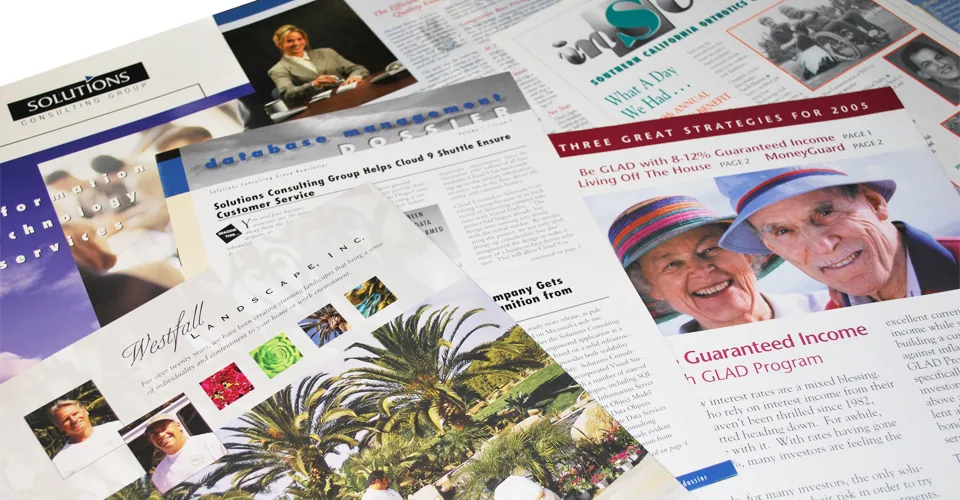
I started in advertising and print — selling, designing, and producing ads for Best of the Beach, a San Diego direct-mail publication going head to head with Valpak and the Reader. Every ad was the same test: one shot to make someone stop, understand, and act.
From there I moved into art direction — corporate identity, brochures, newsletters, and sales collateral — on a press deadline, where a bad layout or a fuzzy message cost real money. That's where I learned hierarchy, restraint, and persuasion.
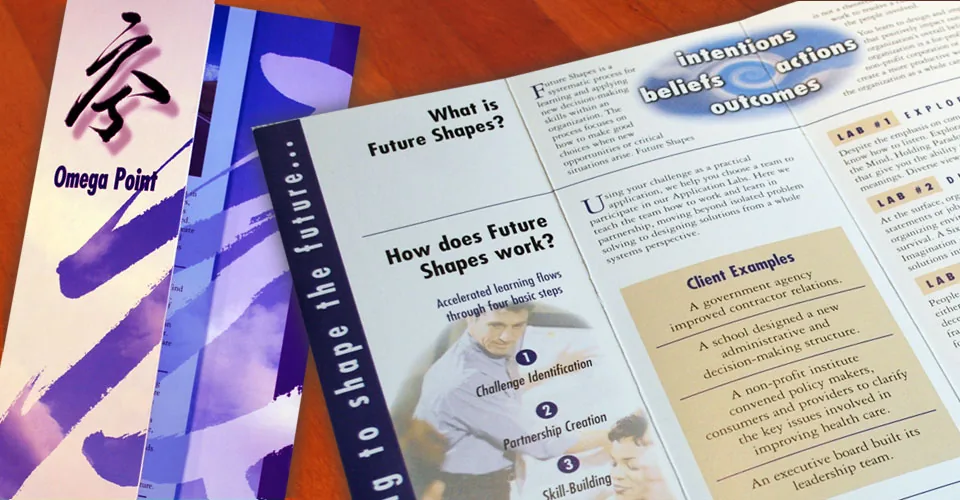
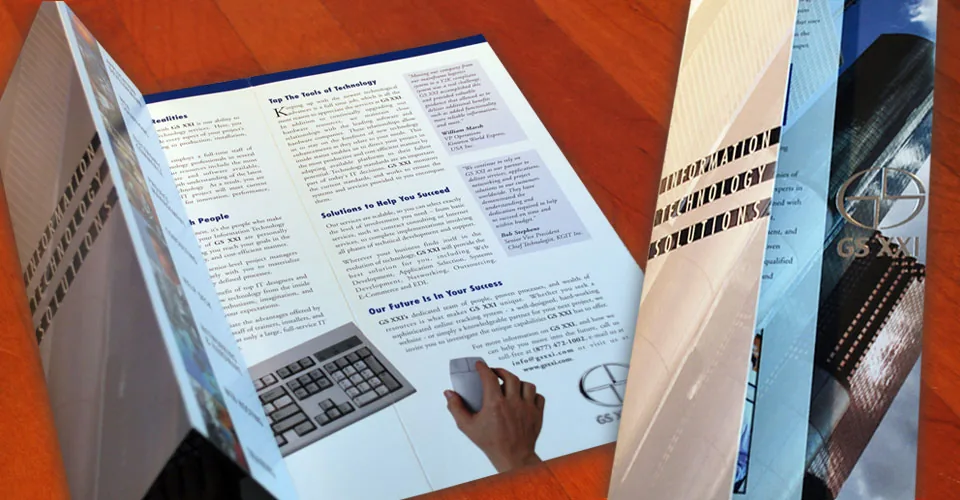
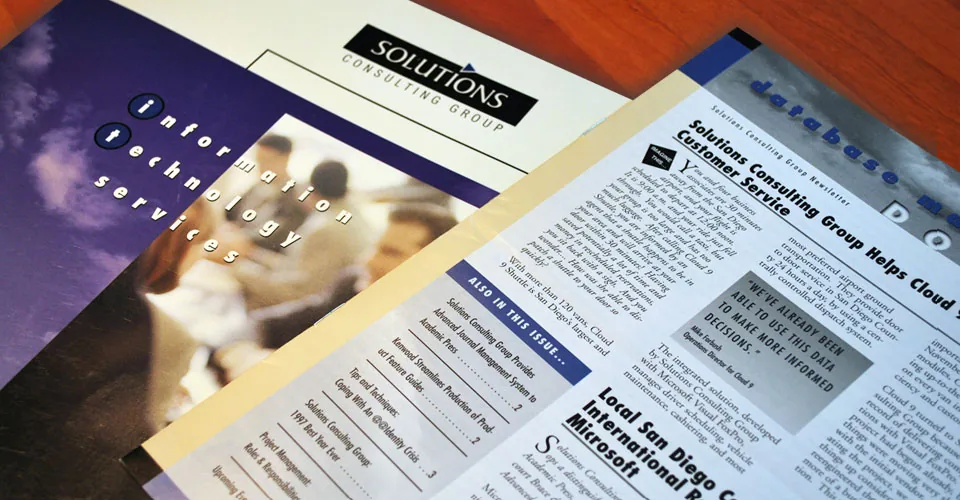
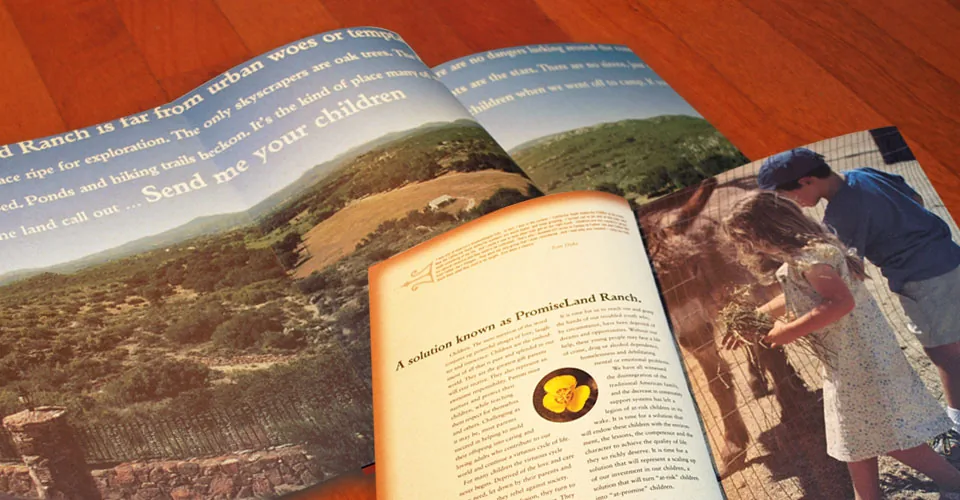
Making a brand look like it means it
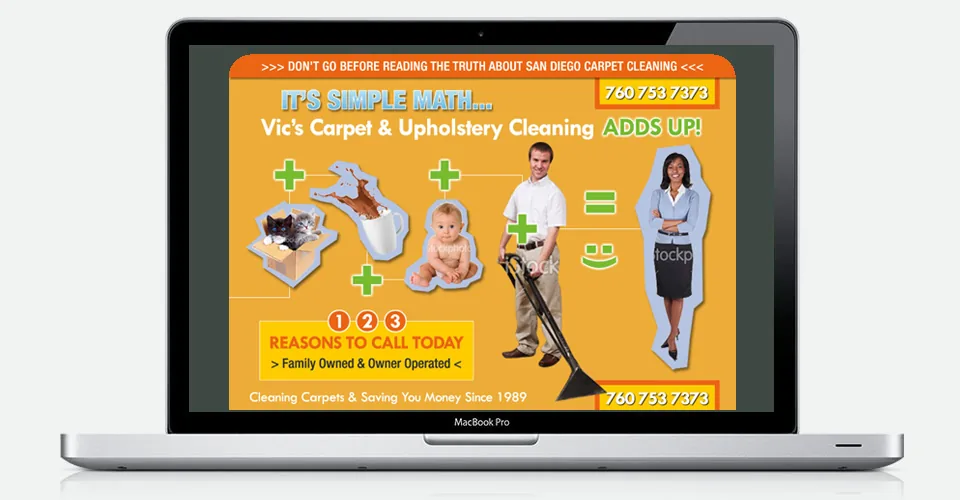
Logos, identity systems, one-sheets, direct mail, trade-show graphics — the everyday work of making a business look credible before a customer has read a single word. I handled the whole pipeline: concept, art direction, and coordinating prepress, printing, and fulfillment so the finished piece matched the idea.
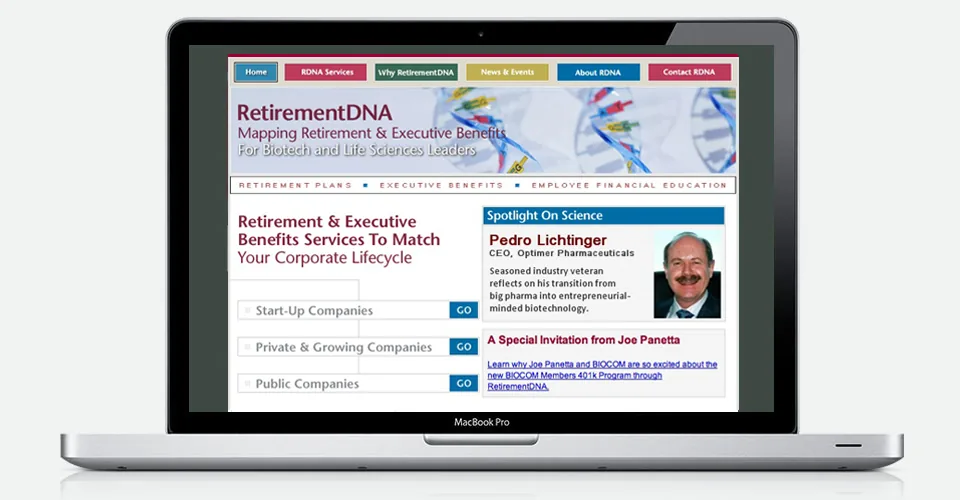
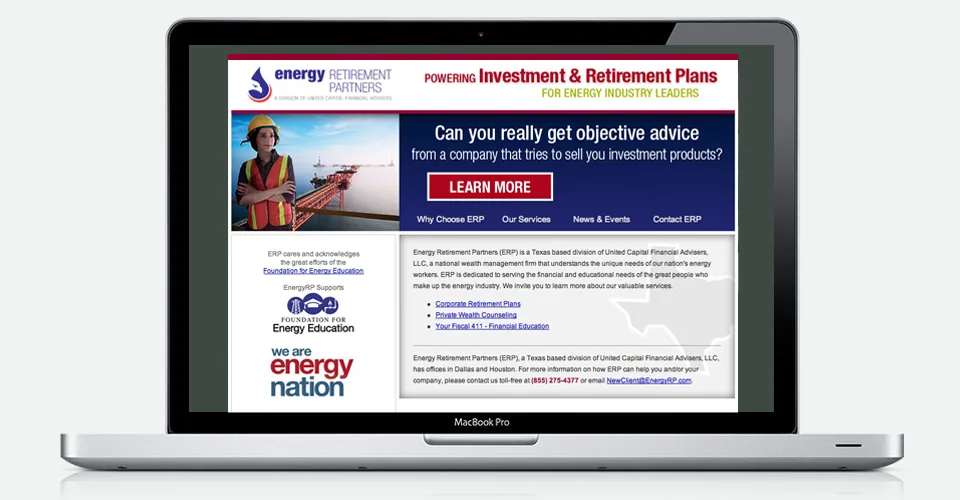
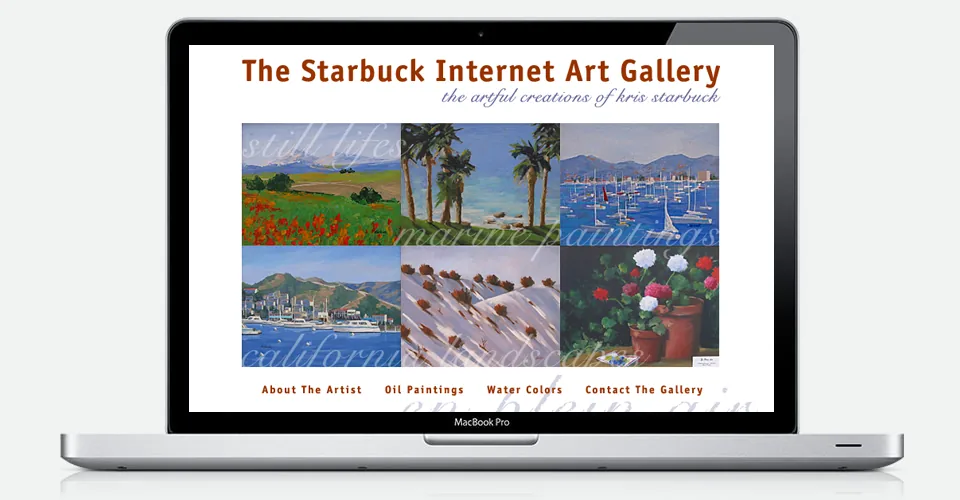
The same job, a new medium
When the work moved online, I moved with it — designing and building websites for financial-services firms, professional practices, and local businesses. Same discipline as print, higher stakes: now the layout had to convert, not just look good, and I could finally measure whether it did.

Dozens of sites, one obsession
Across all of it — finance, real estate, tax, retirement planning, small business — the through-line was customer acquisition: get found, make the value obvious, remove the friction, capture the lead. Search relevance and conversion weren't buzzwords yet, but that's exactly what I was doing.
When I fell for the data
Running marketing analytics for a national financial network, I stopped guessing and started measuring — lead quality by geography, offer, and channel; dashboards that turned messy data into decisions leaders could actually make. Tableau became the tool I reached for, and data visualization became its own craft: the same hierarchy-and-clarity instincts from design, pointed at numbers.


Optimizing how the world's brands sell
At Certona/Monetate and then Reflektion/Sitecore, I spent eight years optimizing ecommerce search, recommendations, and personalization for enterprise retail — Nike, The Home Depot, Gap, Uniqlo, Petco, DSW, Vera Bradley, Finish Line, and dozens more. Thousands of experiments, one question every time: does this actually help the customer find it and buy it?


AI, pointed at the catalog
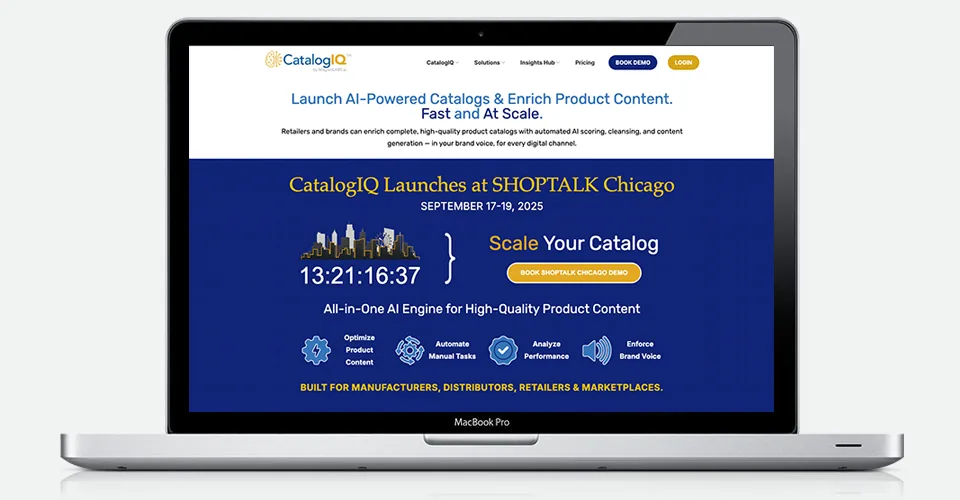
Everything above lands here. At Magnet Labs I help lead CatalogIQ, an AI platform that scores, builds, governs, and enriches ecommerce product catalogs — the structured data underneath modern search, discovery, and AI commerce.
Design taught me clarity. The web taught me conversion. Data and testing taught me proof. CatalogIQ is all three, aimed at the layer that decides whether a product can be found and bought at all.
AI agents doing the heavy lifting
Everything above still has to run somewhere, every night, without me standing over it. That's AgencyIQ — the operating system behind CriticalKPI, CatalogIQ, and the ventures below, dispatching work, healing itself, and reporting back before I've had coffee.
“Heavy lifting” is generous — it's really Claude Code doing the work, on a schedule, with guardrails. But someone still has to build the system that decides what gets done, catches what breaks, and knows the difference. That's the job now.
I don't just advise on this. I build it.
The through-line runs straight into today: I own and operate a handful of live properties — from an AI-commerce reference hub to a national travel guide — applying the same instincts (get found, make it clear, earn the action) on my own P&L.
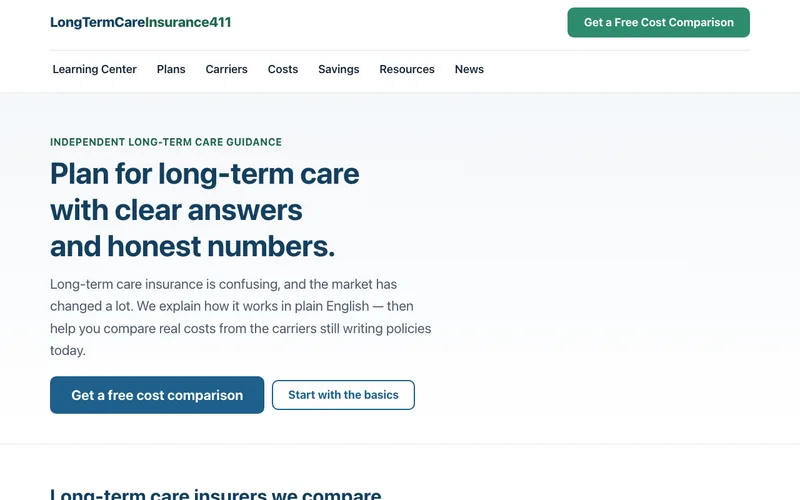
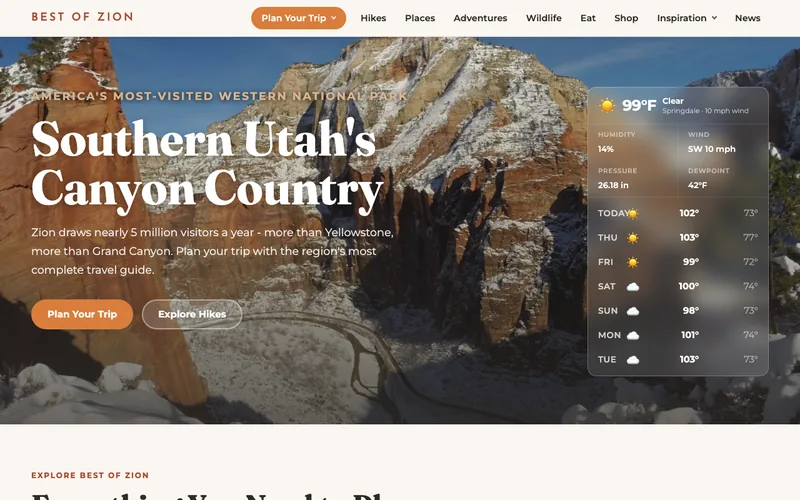
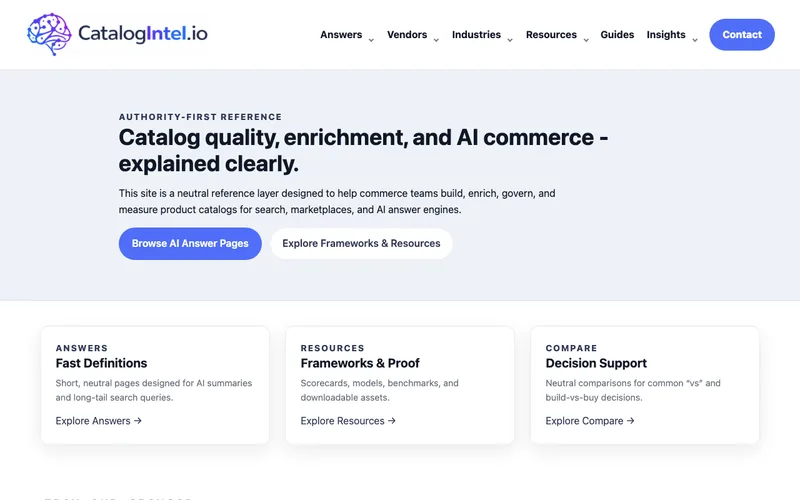
That's the road. Here's the work.
If you want the résumé version of this story, it's on the Professional History page. If you want to talk about what AI can do for your business, let's talk.